The Ultimate Setup Guide for Your Sm9970 8K
Introduction to the Future of Home Cinema
The transition from 4K to 8K resolution represents one of the most significant leaps in display technology since the move from standard definition to high definition. At the center of this revolution lies the Sm9970 8K, a flagship television designed to push the boundaries of what is possible in a living room environment. While many consumers are still settling into the world of 4K Ultra HD, early adopters and home theater enthusiasts are increasingly looking toward 8K for its promise of unparalleled pixel density and future-proofed performance. The Sm9970 8K is not just a display; it is a complex piece of engineering that requires careful calibration, placement, and content sourcing to truly shine. This guide provides a comprehensive roadmap for owners to maximize the potential of their investment.
Possessing an 8K display in today's market means being ahead of the curve. With four times the number of pixels found in 4K screens, the Sm9970 8K offers a level of clarity that eliminates the visible grid of pixels even when viewed from a close distance. This high-density approach is particularly effective on larger screen sizes, where 4K can sometimes begin to lose its perceived sharpness. However, simply unboxing the television and turning it on is rarely enough to achieve the intended "director's vision." From the physical acoustics of the room to the intricacies of HDMI 2.1 bandwidth, every variable matters when dealing with over 33 million pixels.
Deep Dive Analysis: Understanding the Sm9970 8K Hardware
The Sm9970 8K utilizes a sophisticated NanoCell panel paired with a Full Array Local Dimming (FALD) system. This combination is critical for an 8K display because maintaining contrast at such high resolutions is a technical challenge. Unlike OLED technology where each pixel is self-emissive, the Sm9970 8K relies on a powerful backlight system. The 8K resolution on this model provides a texture and depth to images that can feel almost three-dimensional. When viewing native 8K content, the fine details—such as the texture of skin, the individual fibers in clothing, or the distant leaves on a tree—become startlingly clear.
Under the hood, the television is powered by a specialized AI processor specifically tuned for 8K upscaling. Since native 8K content is currently limited to selective streaming samples and specialized professional media, the quality of the upscaling engine is the most important factor in a buyer's daily satisfaction. The Sm9970 8K uses deep learning algorithms to analyze lower-resolution 1080p and 4K signals, identifying patterns and textures to intelligently fill in the missing pixels without creating the "oil painting" effect common in cheaper upscalers. The result is a 4K image that looks denser and more stable than it would on a native 4K screen.
Color accuracy is another pillar of the Sm9970 8K's performance. Using nanoparticle technology, the screen filters out duller color wavelengths, ensuring that reds and greens remain pure and vibrant. This is particularly noticeable in HDR (High Dynamic Range) content, where the television supports various formats including Dolby Vision and HDR10. The peak brightness levels are engineered to combat glare in bright rooms, making it a versatile choice for multi-purpose living spaces rather than just dedicated dark-room theaters.
Unboxing and Physical Placement Strategies
Setting up an 8K television requires more physical planning than a standard screen. The Sm9970 8K is a substantial piece of hardware, both in terms of weight and dimensions. It is highly recommended to have at least two people for the unboxing process. When choosing a location, consider the "8K Sweet Spot." Because the pixels are so small, you can actually sit much closer to an 8K screen than a 4K screen of the same size without seeing any pixelation. This allows for a more immersive, theater-like experience in smaller rooms.
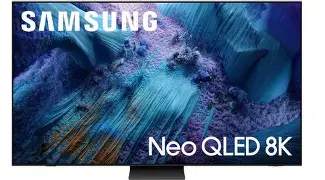
Wall mounting is a popular choice, but ensure that the mount is rated for the specific weight of the Sm9970 8K. If using the provided stand, the surface must be wide enough to accommodate the footprint, which is designed for stability rather than a narrow profile. Cable management should also be planned at this stage. Given that 8K requires high-speed HDMI cables, these cables are often thicker and less flexible. Routing them through the wall or using specialized channels will prevent strain on the HDMI ports, which can be a point of failure in high-end setups.
The Critical Role of Connectivity
One of the most common mistakes users make with the Sm9970 8K is using older cables. To achieve an 8K signal at 60Hz or a 4K signal at 120Hz (crucial for gaming), you must use Ultra High Speed HDMI cables (HDMI 2.1). Older HDMI 2.0 cables simply do not have the bandwidth (48Gbps) required to push that much data. If you are connecting an external receiver or a soundbar via eARC (Enhanced Audio Return Channel), ensure that those devices also support the necessary passthrough standards to avoid bottle-necking your visual quality.
Pros and Cons of the Sm9970 8K Experience
- Unmatched Detail: The 33-million pixel count provides a level of realism that makes the screen feel like a window rather than a display.
- Versatile Upscaling: The AI-driven processor does an exceptional job of making 4K content look significantly better, preserving the library of existing media.
- Wide Viewing Angles: Thanks to the IPS-based NanoCell panel, colors stay consistent even when viewed from the side, making it excellent for large family gatherings.
- Robust Gaming Support: With HDMI 2.1, VRR (Variable Refresh Rate), and ALLM (Auto Low Latency Mode), it is a top-tier choice for next-generation consoles.
- Limited Native Content: The primary drawback is the current lack of native 8K streaming options or physical media, making you reliant on upscaling for most use cases.
- Black Level Performance: While the local dimming is high-performing, it can occasionally struggle with blooming around bright objects on pitch-black backgrounds compared to OLED rivals.
- Power Consumption: Driving an 8K panel and a high-brightness backlight requires more energy than standard 4K LED televisions.
Comparative Market Positioning
To understand where the Sm9970 8K sits in the current landscape, it is helpful to compare it against other common display categories. While 4K OLEDs are popular for their infinite contrast, 8K NanoCell displays like the Sm9970 8K offer higher brightness and higher resolution for large-scale viewing.
| Feature | Sm9970 8K (NanoCell) | Premium 4K OLED | Standard 4K LED |
|---|---|---|---|
| Resolution | 7680 x 4320 (8K) | 3840 x 2160 (4K) | 3840 x 2160 (4K) |
| Pixel Density | Ultra High | High | Standard |
| Peak Brightness | High (1000+ nits) | Moderate (600-800 nits) | Variable (300-600 nits) |
| Burn-in Risk | None | Possible over long term | None |
| Best Viewing Environment | Bright to Moderately Dark | Dark Room | Bright Room |
Comprehensive Calibration and Tuning Guide
Out of the box, the Sm9970 8K often ships in "Store Mode" or "Vivid Mode." These settings are designed to grab attention in a brightly lit retail environment but are often inaccurate for home use. Blue light is typically overemphasized, and motion smoothing can create the dreaded "soap opera effect." To get the best out of your display, follow these tuning steps.
Discover deals on TVs & Home Theater — updated daily.
View Offers →Picture Mode Selection
For the most accurate color reproduction, switch the television to Filmmaker Mode or Cinema User. Filmmaker Mode is a standardized setting that disables most post-processing (like artificial sharpening and motion interpolation) to present the content exactly as the creator intended. If you are watching in a room with a significant amount of ambient light, Expert (Bright Room) is a better choice as it boosts the backlight while maintaining color tracking.
Adjusting the Backlight and Dimming
The "LED Local Dimming" setting is the heart of the Sm9970 8K's contrast control. Setting this to Medium or High is usually best for HDR content, as it allows the TV to shut off the backlight in dark areas of the screen. However, if you notice too much brightness "blooming" (light leaking from white text into the black bars of a movie), dropping this to Low can sometimes provide a more consistent, albeit less punchy, image.
Motion Management
The Sm9970 8K features "TruMotion" technology. While sports fans might appreciate the smooth movement provided by the Smooth or Clear settings, movie buffs should generally turn this Off or use a User setting with "De-Judder" set to a low value (1 or 2). This maintains the cinematic 24fps look while eliminating the harsh stutter that can occur on high-response-time panels during slow pans.
Buying Guide: Is the Sm9970 8K Right for You?
Purchasing an 8K TV in the current market is a statement of intent. Before committing, potential buyers …1. The Size Factor
8K resolution is most beneficial on screens 75 inches and larger. On a 55-inch screen, the human eye struggles to distinguish 8K from 4K at standard sitting distances. If you are looking for a massive screen to serve as a centerpiece for a home theater, the Sm9970 8K makes significant sense. It ensures that even at 86 inches, the image remains tight and sharp.
2. Internet Infrastructure
Streaming 8K content (where available, such as on specialized video platforms) requires a massive amount of data. A stable connection of at least 100Mbps is recommended for a buffer-free experience. If your home internet is capped or slow, you will be relying almost entirely on the internal AI upscaler, which, while excellent, cannot fully replicate the data depth of a native 8K signal.
3. Gaming Requirements
Gamers are among the few groups who can actually utilize the bandwidth of the Sm9970 8K today. Current-gen consoles and high-end PC GPUs support HDMI 2.1 features. If you want the lowest possible input lag and the ability to play 4K games at 120Hz with a massive field of view, this TV is one of the better candidates on the market. The inclusion of a "Game Optimizer" menu allows you to toggle G-Sync and FreeSync compatibility, ensuring smooth gameplay without screen tearing.
4. Longevity and Future-Proofing
If you are the type of consumer who replaces their television every 2-3 years, 8K might not be a priority yet. However, if you intend to keep your television for 7-10 years, buying an 8K set now ensures that you won't feel left behind as 8K broadcasting and streaming become more common in the late 2020s. The Sm9970 8K's hardware is designed to handle the codecs of tomorrow, making it a sound long-term investment.
Optimizing the Audio Experience
While the Sm9970 8K features an impressive internal speaker system with AI Sound Pro (which attempts to virtualize a 5.1.2 surround sound experience), a screen of this caliber deserves a dedicated audio solution. The television supports Dolby Atmos passthrough via HDMI eARC. To truly complement the 8K visuals, consider a dedicated AV receiver and a multi-speaker setup. If space is a concern, a high-end Dolby Atmos soundbar can provide the verticality needed for modern film soundtracks.
Discover deals on TVs & Home Theater — updated daily.
Shop Amazon →When setting up audio, pay attention to the "Sound Sync" features. Modern AI processors can sometimes introduce a tiny amount of input lag due to the heavy lifting involved in 8K processing. If the audio feels slightly out of sync with the actors' lips, use the "AV Sync Adjustment" in the settings menu to delay or advance the audio signal by a few milliseconds. This ensures that the auditory experience is as precise as the visual one.
Managing Room Logistics: Lighting and Reflections
One of the strengths of the Sm9970 8K's NanoCell technology is how it handles light. The particles in the panel help absorb ambient light, reducing the mirror-like reflections found on many glossy screens. However, even the best coating cannot overcome direct sunlight hitting the panel. For the best results, use "Blackout" curtains or positioned lighting that does not point directly at the screen.
If you use smart lighting in your home, consider bias lighting—a strip of LED lights placed behind the TV. Since 8K panels can be very bright, watching them in a completely dark room can lead to eye strain. A dim 6500K (neutral white) light behind the display helps the iris stay in a more comfortable position and also has the psychological effect of making the blacks on the screen appear even deeper than they are.
Maintenance and Long-Term Care
An 8K panel is a precision instrument. Dust and fingerprints can actually diffract the light coming from those tiny pixels, slightly blurring the image. Always use a clean, dry microfiber cloth to wipe the screen. Never use glass cleaners or chemicals, as these can strip the anti-reflective coating from the NanoCell layer. If a stubborn mark persists, a very slight dampening of the cloth with distilled water is all that is required.
Software updates are also a vital part of maintenance. The Sm9970 8K is essentially a high-performance computer, and the manufacturer frequently releases firmware updates that can improve upscaling algorithms, fix HDR tone-mapping bugs, or add new streaming app support. Ensure your TV is connected to Wi-Fi and set to "Auto-Update" so you are always running the most efficient version of the operating system.
Conclusion: The Verdict on the Sm9970 8K
The Sm9970 8K is a remarkable bridge between the current era of high-definition content and the المقبل frontier of ultra-high-resolution media. It offers a compelling mix of brightness, color accuracy, and sheer detail that justifies its position at the top of the lineup. While the lack of native 8K content remains the one hurdle for the industry at large, the Sm9970 8K solves this problem through sheer processing power, making everything from classic 1080p films to modern 4K masterpieces look better than they ever have.
By following the calibration steps, ensuring your connectivity is up to the HDMI 2.1 standard, and positioning the screen to take advantage of its unique pixel density, you can transform your living space into a truly world-class home theater. The Sm9970 8K isn't just about more pixels; it's about better pixels, more vibrant colors, and a viewing experience that remains immersive long after the initial novelty has worn off. For the buyer who wants the best of today with a clear view of tomorrow, this setup is a definitive choice.