Adizero Takumi Sen 11 Running Shoe Specs, Features, and Value: Is it worth the price tag?
Category: Electronics — Wearable Running Gear Review
The Adizero Takumi Sen 11 is positioned by its manufacturer as a high-performance racing shoe designed for runners who prioritize lightness, responsiveness, and a close-to-the-ground feel. This article examines the Takumi Sen 11 in depth, breaking down its specifications, materials, on-road performance, and how it stacks up against alternatives. The goal is to give prospective buyers the practical information they need to decide whether the Takumi Sen 11 delivers the performance and value their training or race needs demand.
Introduction: Who is the Takumi Sen 11 for?
In straightforward terms, the Takumi Sen 11 targets competitive runners and fast club runners looking for an ultra-light, race-oriented platform. It is not aimed at neutral daily trainers who need high durability or maximum cushioning for long, slow runs. Instead, it suits tempo workouts, track intervals, and race days where saving every gram and maximizing stride economy matter. Buyers typically care about weight, responsiveness, fit, and how a shoe translates training speed into race-day results — the analysis below focuses on those attributes and real-world use cases.
Key specifications (what buyers need to know)
- Weight: Ultralight class — designed to be noticeably lighter than standard trainers; this supports faster turnover and less fatigue during races.
- Cushioning philosophy: Firm, responsive midsole aimed at energetic toe-off and efficient transitions rather than plush comfort.
- Plate / Stability element: A stiffness element (often a carbon or engineered plate or firm piece) is integrated to improve energy return and prevent midsole compression under load.
- Upper: Breathable, engineered mesh or woven textile intended to balance lockdown and reduced weight; minimal overlays to keep mass down.
- Drop: Low-to-moderate heel-to-toe offset suitable for efficient racing mechanics and a quicker toe spring.
- Outsole: Strategic rubber placement for traction in high-wear zones while minimizing rubber to keep the shoe light.
- Intended distances: Most comfortable for 5K to marathon distances when the runner prioritizes speed and has practiced in low-stack, firmer shoes.
- Fit: Narrow to neutral last — designed for secure lockdown rather than roomy comfort; works best for narrower feet or those who prefer a snug race fit.
Detailed review and analysis
First impressions and build quality
Out of the box, the Takumi Sen 11 presents as purpose-built: every material choice appears optimized to shave weight and increase responsiveness. Seams and overlays are minimal, and the shoe typically feels tightly packaged — an intentional design for race efficiency. Build quality in this category of shoes tends to prioritize performance over plush finishes, and the Takumi Sen 11 follows that convention with precise stitching and lightweight components rather than thick padding or decorative elements.
Upper and fit
The upper uses a lightweight engineered mesh or woven textile with targeted reinforcement in high-stress areas. This yields a breathable, sock-like feel during faster efforts. Lockdown is emphasized: a slim tongue (or a thinly padded internal tongue), flat laces, and heel counters keep the foot stable during rapid cadence work.
Fit-wise, expect a closer, more race-oriented last. Runners who prefer roomy toe boxes should size carefully or consider half sizes up based on previous experience with narrow racing shoes. The trade-off is deliberate: a secure fit reduces internal movement, which improves power transfer and reduces blister risk during intense efforts.
Midsole, cushioning, and ride quality
The midsole prioritizes a firm, responsive ride over soft, pillowy cushioning. The foam compound is engineered for energetic compression and a quick rebound, which helps maintain speed over intervals and race paces. The ride feels "lively" rather than cushioned — runners moving from maximal cushion trainers to the Takumi Sen 11 should expect a pronounced difference initially.
A plate or stiffening element provides propulsion by limiting energy loss through midsole deformation. The result is a snappier toe-off and a sense of added propulsion at faster paces. This feature is instrumental for races where small efficiency gains matter, but it also means the shoe is less forgiving on easy recovery days.
Outsole and traction
Adidas typically reduces outsole rubber to essential zones to save weight while maintaining grip where it matters. The Takumi Sen 11 follows this approach, with durable rubber on the lateral forefoot and heel contact zones and exposed midsole in areas of low abrasion to keep mass down. Road traction is reliable in dry conditions and acceptable in light wet conditions, but runners should exercise caution on heavy rain-slicked surfaces or technical terrain.
Durability and life expectancy
The combination of reduced rubber coverage and performance-grade foam means longevity is shorter than a typical daily trainer. Expect fewer total miles before midsole compression becomes noticeable. For dedicated racers, this is acceptable because race shoes are rotated and not used for heavy mileage. For someone planning to use the Takumi Sen 11 as an everyday trainer, the cost-per-mile will quickly become less favorable.
Real-world performance: use cases
Speed workouts and races: The Takumi Sen 11 shines in these environments. Its lightness and responsiveness reduce perceived effort at race pace, and the plate helps maintain turnover and reduce fatigue in the later stages of a race.
Shop the latest Electronics picks on Amazon.
View Offers →Tempo runs and long intervals: The shoe performs well for tempo efforts, especially for runners who have trained in firmer shoes. It offers the feedback and energy return that can make tempo miles feel more sustainable at threshold paces.
Recovery runs and long slow distance: These are not the shoe's sweet spot. The minimal cushioning and firmer ride make it less comfortable for easy, low-effort runs where plush comfort or joint protection is desired.
Mixed-terrain or wet conditions: Best kept to light road use. The outsole and upper are not optimized for mud, gravel, or trail features.
Sizing tips
Because the Takumi Sen 11 favors a snug, race-style fit, runners should consider their history with narrow, low-volume shoes. For those who…Pros & Cons
- Pros
- Exceptionally lightweight construction for improved turnover and reduced fatigue during races
- Responsive midsole and propulsion element provide efficient energy return at race paces
- Secure, performance-oriented fit that minimizes internal slippage
- Engineered upper delivers breathability and low weight
- Ideal for short to long-distance racing when speed is the primary goal
- Cons
- Firmer ride may feel harsh for runners used to plush trainers
- Limited outsole rubber reduces durability compared with everyday trainers
- Narrower last may not suit wide-footed runners without trying alternate sizes
- Not recommended as an all-purpose shoe—best reserved for targeted sessions and races
- Higher upfront cost relative to simple lightweight trainers; value depends on intended use
Comparison table: Takumi Sen 11 versus similar race-oriented shoes
| Model | Intended use | Cushioning / Ride | Plate / Propulsion | Best for |
|---|---|---|---|---|
| Adizero Takumi Sen 11 | Race-day shoe / tempo runs | Firm, responsive | Stiffening element for propulsion | Races from 5K to marathon for runners who prefer light, responsive shoes |
| Previous Takumi Sen (typical predecessor) | Race-day shoe with similar focus | Firm, slightly less refined foam in some iterations | Plate or stiff element present in performance models | Runners who valued earlier models for racing and wanted the same feel |
| Competitive race model (general) | Race-day / carbon-plated alternatives | Varies: some offer higher stack height and softer foam | Full-length carbon plate (in many modern racers) | Runners seeking maximal energy return and higher stack cushioning |
Buying guide: deciding whether the Takumi Sen 11 is right
1. Define the primary use
If the main aim is weekly speed sessions and targeted race shoes for fast days, the Takumi Sen 11 is a solid candidate. If the shoe would be used for daily mileage, long recovery runs, or mixed-terrain outings, consider a more cushioned, durable trainer instead.
2. Consider foot shape and sizing
Buyers should check prior experience with narrow race shoes. If a runner usually needs wide-fitting trainers, they should try the Takumi Sen 11 in-store or order a half size up while keeping return policies in mind. A snug heel and midfoot help performance, but the toe box must allow some wiggle for long races.
3. Evaluate race distance and goals
For 5K through half-marathon distances, a lighter, firmer shoe like the Takumi Sen 11 can be ideal. For marathoners, the decision depends on whether the runner prefers a traditional lower-stack racer or a high-stack, highly cushioned model — both approaches succeed at the marathon level but require different training adaptations.
4. Durability and rotation strategy
Because the Takumi Sen 11 is optimized for race performance and minimal weight, it will not provide the same miles as a regular trainer. A common strategy is to reserve it for race day and fast sessions while keeping a more durable trainer for base-building mileage. This rotation preserves the race shoe’s properties and maximizes cost-per-mile value.
5. Break-in and testing
Runners should perform at least a few tempo sessions and a shorter tune-up race in the shoe before committing to a key race. This ensures the fit and feel suit the individual’s gait and minimizes the risk of late surprises on race day.
Find top-rated Electronics products at great prices.
See Deals →6. Budget and value assessment
Performance racing shoes command a premium price due to materials and R&D. Buyers should weigh the cost against how often they will use the shoe at race pace. For runners who race frequently or for whom marginal gains matter, the investment can be justified. For occasional racers, a less costly lightweight model may be more economical.
7. Extra considerations
- Socks: Race socks can influence fit; test with intended socks.
- Weather: Have contingency plans for wet races—traction can be a factor.
- Replacement timing: Plan to refresh race shoes after several high-intensity events or when midsole responsiveness noticeably declines.
Who should buy the Takumi Sen 11?
Potential buyers who will get the most value include:
- Competitive club runners and racers who prioritize weight and responsiveness.
- Experienced runners who already train in firmer shoes and can adapt to the Takumi Sen 11’s ride.
- Those who maintain a rotation of shoes and will reserve the Takumi Sen 11 for races and key hard sessions.
Buyers who should be cautious include:
- New runners or those who need forgiving cushioning for injury prevention.
- Runners with very wide feet who cannot find a comfortable fit in the available widths.
- Anyone seeking a single shoe to do both easy daily miles and race day work.
Value assessment: is it worth the price tag?
Value is inherently personal and depends on usage patterns. If a runner races frequently, values marginal performance gains, and rotates shoes responsibly, the Takumi Sen 11 delivers tangible benefits: lower perceived effort at pace, snappy transitions, and a race-specific feel that can contribute to improved finishing times. For these runners, the cost per performance benefit can be justified.
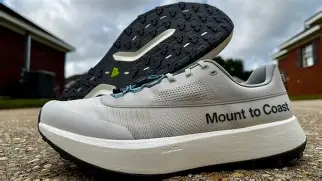
Conversely, if the shoe will be used mostly for daily miles, or if a runner's priority is comfort and longevity over every-efficiency ounce, the price is harder to justify. Durability is shorter than trainers, and race-oriented plates are less versatile for non-race use. The most economical approach is to purchase the Takumi Sen 11 as part of a rotation — pairing it with a durable trainer spreads cost across use-cases and makes the investment more reasonable.
Conclusion
The Adizero Takumi Sen 11 is a deliberate racing tool: ultralight, responsive, and optimized for efficient running at race paces. It excels for runners who value a close connection to the road, rapid turnover, and a propulsive feel produced by a firm midsole and stiffening element. However, those benefits come with trade-offs: a firmer ride, less outsole rubber, and a narrower fit that may rule it out as an everyday shoe for many runners.
Ultimately, the Takumi Sen 11 is worth the price tag for runners who will use it as intended — as a race and fast-session specialist within a broader shoe rotation. For casual runners, or athletes seeking a single do-it-all shoe, a more cushioned, durable trainer will likely offer better value. Proper sizing, pre-race testing, and a rotation strategy are the keys to getting the most out of the Takumi Sen 11.